

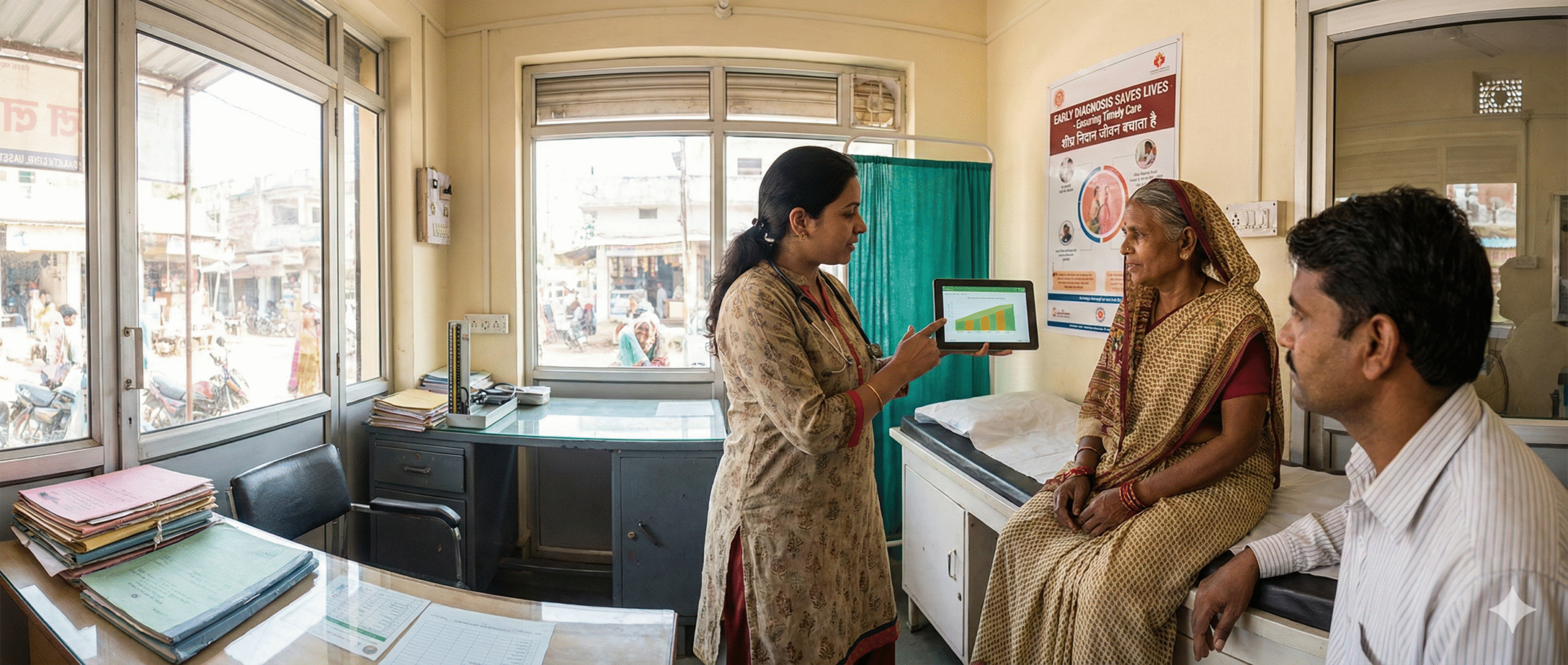
Early diagnosis was once considered important primarily for severe or chronic illnesses. But today, with fast-paced lifestyles, unpredictable routines, and rising lifestyle-related disorders, early detection has become essential for young professionals too.
Many health conditions — from diabetes and thyroid issues to liver disease, respiratory disorders, and heart risks — start silently. By the time symptoms appear, the disease may already be progressing.
Let’s understand why early diagnosis matters, what signs to look for, and how young professionals can stay proactive.
Why Do Young Adults Need Early Diagnosis?
Even young individuals in their 20s and 30s face growing health risks due to:
- Irregular lifestyle habits (fast food, poor sleep, low activity)
- High stress levels and demanding work schedules
- Genetic predisposition to metabolic or hormonal conditions
- Environmental exposure (pollution, toxins, allergens)
Many conditions like fatty liver, asthma, thyroid imbalance, or insulin resistance develop silently and worsen before symptoms become noticeable.
Common Early Warning Signs Often Ignored
Early-stage health issues can show subtle symptoms such as:
- Persistent tiredness
- Unexplained weight changes
- Digestion issues
- Headaches or dizziness
- Sleep disturbances
- Low stamina or breathlessness
Most young adults attribute these to work stress and avoid medical evaluation. This delay can lead to complications like organ damage, hormonal disorders, and chronic illnesses.
Why Early Detection Matters
The biggest advantage of early diagnosis is reversibility and prevention.
- Conditions like fatty liver, diabetes risk, thyroid imbalance, and respiratory issues can be reversed if detected early.
- Early detection reduces treatment costs, prevents complications, and improves long-term health outcomes.
- Regular health check-ups and screenings help monitor metabolic, hormonal, and organ health effectively.
If you notice persistent symptoms or abnormal lab results, consult a qualified specialist. Doctors at Aster Hospital offer advanced diagnostics, imaging, and personalised assessments to identify issues early.
How to Stay Proactive About Health
Young professionals can safeguard long-term health with simple steps:
- Regular Health Screenings:
Annual blood tests for liver, kidney, thyroid, cholesterol, and vitamin levels. - Monitor Lifestyle Signs:
Track sleep, stress, energy levels, and digestion. - Stay Active & Eat Clean:
Balanced meals, regular workouts, and hydration help prevent many disorders. - Act Early:
Don’t ignore persistent symptoms — early medical attention can prevent chronic disease.
Final Thoughts
Early diagnosis is not just a medical step — it’s a smart lifestyle decision for young professionals. Most health issues begin silently, but with timely tests and expert guidance, they can be fully reversed or controlled.
If your routine check-ups show even minor abnormalities, consult a specialist in India. With the right evaluation at the right time, you can protect your long-term health and stay ahead of potential risks.